Print Issue: October 2026

This is a printer-friendly version of the Spokeout magazine.

⚠️ Important for Best Results:

  • Browser: Use Chrome, Edge, or Safari.
  • Settings: Ensure "Background Graphics" is CHECKED in the print options.
  • Margins: Set margins to "None" or "Default".
Spokeout Cover Image Logo
Spotlight on:
IWA Strategy
Budget '27 - what does it mean for you?
Other Features:
Footpath concerns, adaptive skiing, Arklow Centre opening plus lots more

Spokeout October 2026

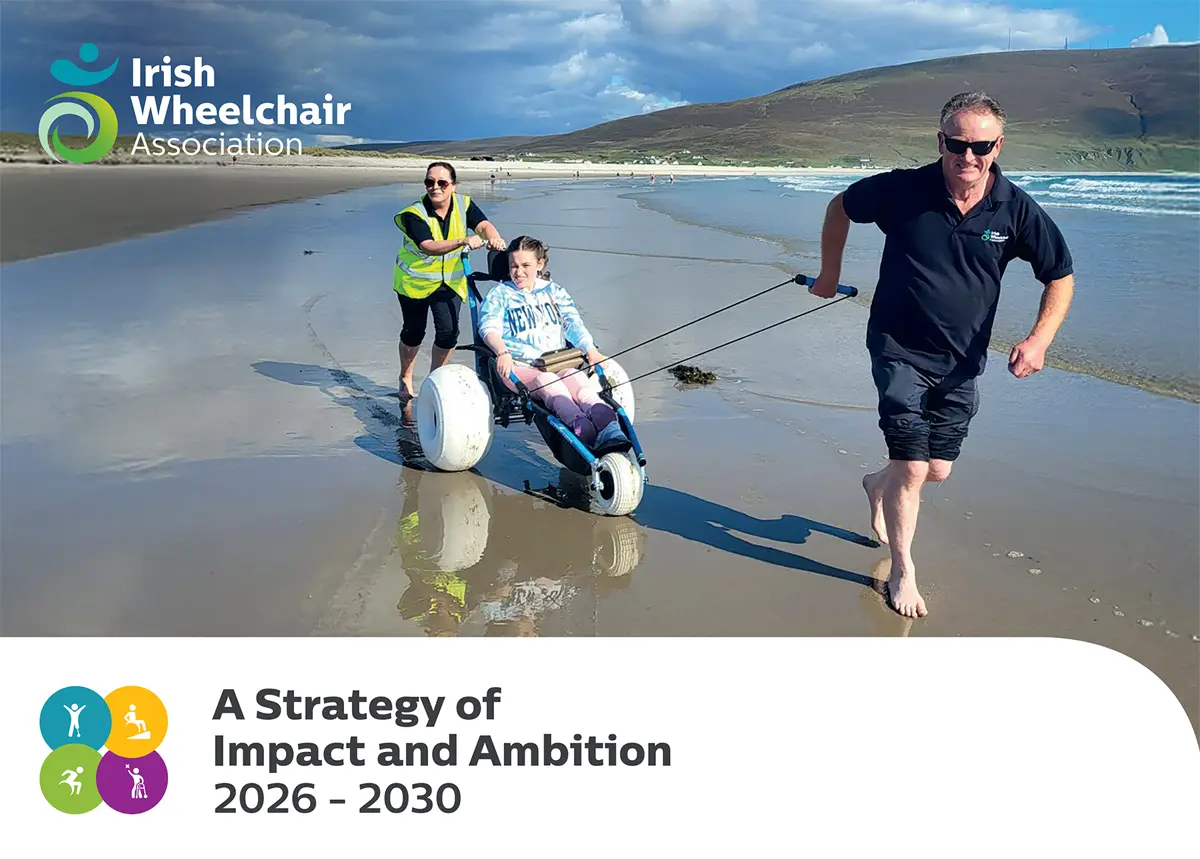
Hello October! It’s a very exciting time in IWA as we have just launched the organisation’s ambitious Strategic Plan 2026-2030 which sets out our priorities for the coming years.

What does it mean for you, our members? You can read all about it inside.

Budget day was on Tuesday, but what’s in it for people with disabilities? Our Head of Advocacy, Joan Carthy, has been keeping a close eye on it all.

Who owns our footpaths?  That’s a question Edel Carey is asking after a two-day visit to Dublin where she experienced five near misses?

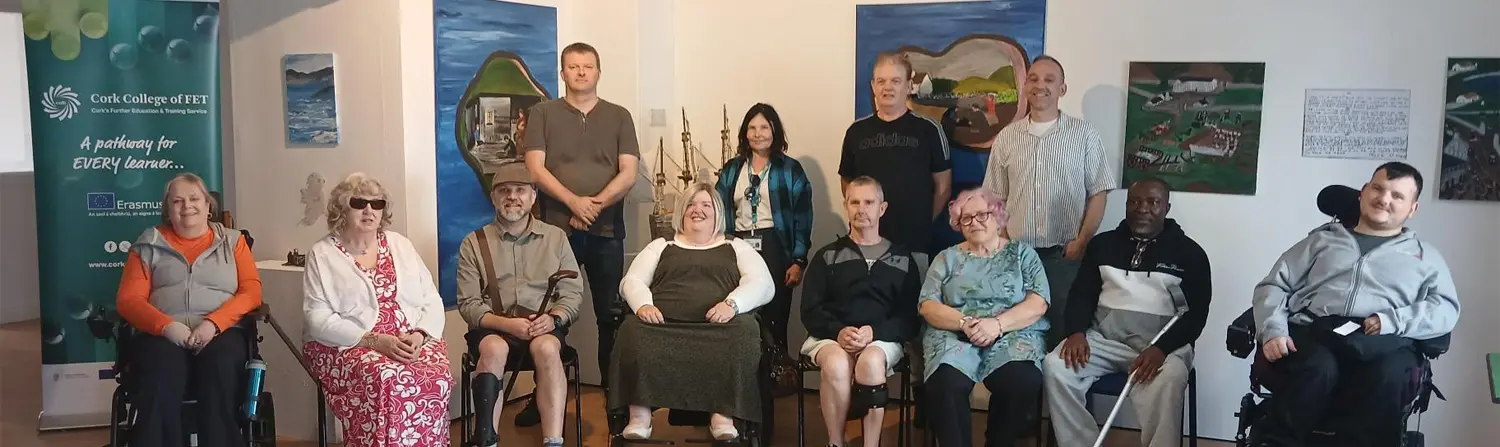
We’ve also lots of good news stories from across IWA including the opening of our new centre in Arklow, a Ballinagar member launching her first book and members in Mallow staging an art exhibition of the Great Famine.

Finally, a massive THANK YOU to all the members, staff and volunteers who supported our Annual Fundraising Day on September 24th last.  We couldn’t have done it without you.

Enjoy the read,

Marie

Magazine Logo
Spotlight on:
IWA Strategy
Budget '27 - what does it mean for you?
Other Features:
Footpath concerns, adaptive skiing, Arklow Centre opening plus lots more

In this issue:

  • Spotlight on: IWA Strategic Plan
    An ambitious roadmap for the contribution we want to make to the lives of people with physical disabilities across Ireland over the next four years.
  • Advocacy
    Budget 2027: Cost of Disability in Name Only
  • Fundraising
    IWA's Inaugural Corporate Wheelchair Basketball Tournament
  • Sport
    How a life-changing injury led to a lifetime of memories on the slopes
  • Volunteers
    Ita's dedication to IWA
  • Ballinagar member launches first book
    Alison says her local centre helped her to re-discover her passion for writing.
  • Mobility Life
    Who owns our footpaths?
Page 1

Spotlight on IWA Strategic Plan

An ambitious roadmap for the contribution we want to make to the lives of people with physical disabilities across Ireland over the next four years.
IWA has unveiled our Strategic Plan 2026-2030 which sets outs our priorities for the next five years.

What does it mean for you, our members?

At IWA, people are at the heart of everything we do. And you, our members, are at the very centre of our vision and the driving force behind the ambitious goals within this strategy.

Our ambitions are intertwined.

This Strategic Plan is about ensuring that we continue to deliver what matters most to you and to make a real and lasting difference to your life.

It has been shaped by the voices, experiences and ambitions of members. We are understanding of the issues that affect your lives and our goal is to continue to respond to the opportunities and challenges ahead.

To the forefront of our strategy is a clear ambition to create greater opportunity, choice, independence and inclusion for people with physical disabilities across Ireland.

Advocacy is a priority right across all areas.


Dermot Murphy, Chairperson of IWA’s Board, said: “Over the next five years, IWA will continue to advocate for a society in which the rights of people with disabilities are fully realised.”

“We will challenge inequality, work to influence policy and systemic change, and ensure that the voices and experiences of people with physical disabilities remain central to the decisions that affect their lives.”

CEO of IWA, Ann Marie O’Grady, said that this is a strategy focussed on impact, with ambitious goals across Independence, Empowerment, Accessibility, Mobility and Sport.

She added: “Through our advocacy, services, programmes and supports, we will work to deliver on these ambitions while strengthening the people, systems, financial and organisational resilience that underpin our work. We will continue to build on the positive culture within IWA and remain a powerful voice for people with disabilities across government and policy.  We will also continue to create opportunities to ensure the voice of lived experience is truly heard.”

From the organisation’s perspective, over the next five years we will judge our progress not just by what we deliver but the difference made.

But strategy is not simply about what IWA will do.  It is about what we will achieve together.

This is your strategy; you can view and read it on our website.

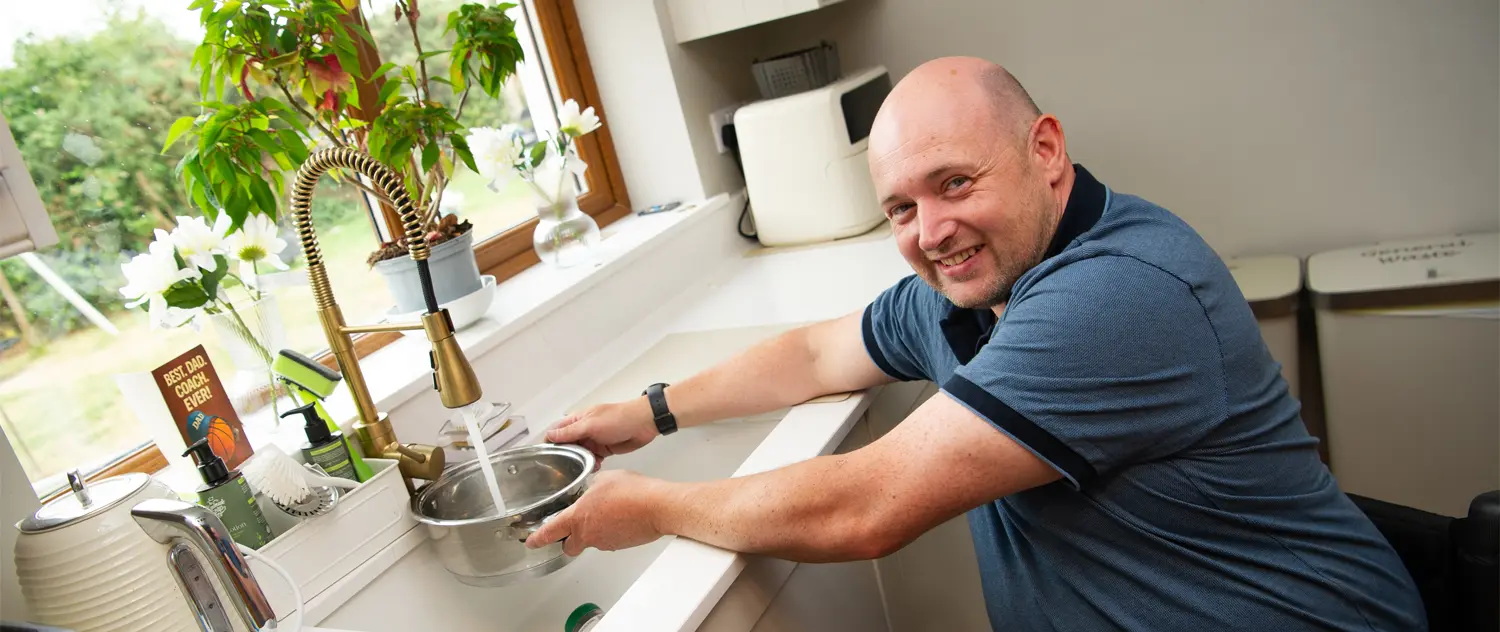
Your experiences, your ideas and your voices matter.  IWA member Martin Murphy shares: “My disability is part of my life, but it isn’t my whole life.  I’m still a dad, a husband, a farmer and the person who does the cooking. We want the same things everyone wants.

“After my accident, finding IWA and (wheelchair) basketball in particular, I found a community of friends I didn’t have before. It helped me rebuild my confidence and realise life was still full of possibilities.”

Picture of a smiling male wheelchair user at a kitchen sink.
"We want the same things as everyone wants" - IWA member Martin Murphy

The last surviving founding member of IWA, Dr Oliver Murphy, has also endorsed the strategy.

He said: “Whilst IWA as an organisation looks very different today, it is continuing our legacy to support people to be able to dream big too.  It is possible but they can’t do it alone.  The role of you, IWA’s members and supporters has never been more important.”

“It is critical that as a community we continue to be visible and our voice continues to be heard.”

A Strategy of Impact and Ambition

Page 2

Advocacy

Budget 2027: Cost of Disability in Name Only
For months, people with disabilities were told that Budget 2027 would finally address the Cost of Disability. Expectations were raised that Government would take a significant step towards recognising and tackling the additional costs that disabled people face every day.

What emerged was a €500 lump sum Cost of Disability payment, payable sometime during the first quarter of 2027, alongside a general €10 increase in weekly social welfare rates and a €5 increase in Fuel Allowance. While these measures will provide some support, they fall far short of the transformative response that people with disabilities had hoped for and were led to expect.

The introduction of a Cost of Disability payment is, in principle, an important acknowledgement by Government that disability brings unavoidable additional costs. However, the measure announced in Budget 2027 represents recognition of the problem rather than a meaningful solution to it.

The timing of the payment is particularly disappointing. Rather than being made available before or during the winter period, when household budgets are under greatest pressure, the payment will not issue until sometime before the end of the first quarter of 2027.

As a result, many people with disabilities will face another winter struggling with higher heating, electricity and transport costs before receiving any support.

@p
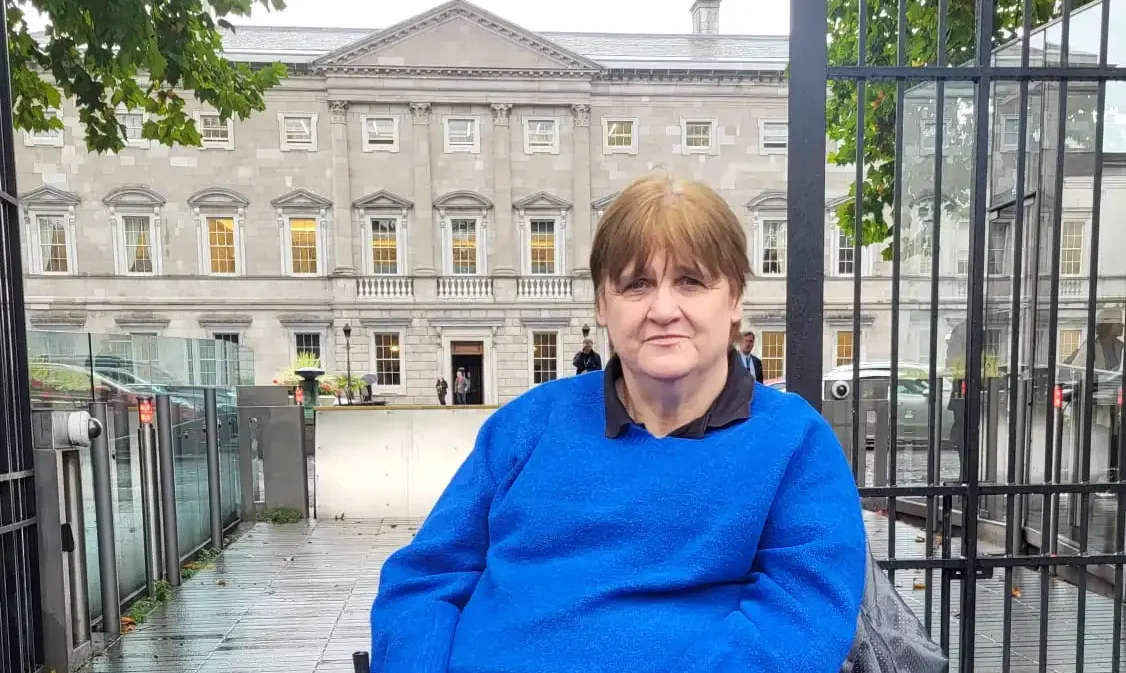
Picture of IWA's Joan Carthy, who is a wheelchair user, outside Leinster House
IWA's Head of Advocacy, Joan Carthy, pictured outside Leinster House on Budget Day.

The Government may point to the combined impact of the Cost of Disability payment, the Disability Allowance increase and Fuel Allowance improvements. However, these measures should not be bundled together as though they represent a comprehensive Cost of Disability package.

The €10 increase in Disability Allowance is a general social welfare measure. It was provided across a broad range of welfare payments and is intended to help recipients cope with inflation and rising living costs. It is not a Cost of Disability measure and should not be counted as one. People with disabilities face the same inflationary pressures as everyone else, but they also face a unique layer of disability-related costs that remain largely unaddressed.

These extra costs arise from every aspect of daily life. Many people with disabilities incur higher transport costs because accessible public transport is unavailable or unsuitable. Others face increased heating and energy costs because of medical conditions that require them to spend more time at home or use specialist equipment.

Assistive technology, personal supports, healthcare costs, maintenance and repairs, and the cost of participating in community life all create financial pressures that do not disappear after a once-off payment. These are recurring costs that require recurring solutions.

What Budget 2027 delivers for People with Disabilities

Cost of Disability

€500 once-off payment payable in Q1 2027. First recognition of the issue, but insufficient in value and arrives too late to support people through winter

Disability Allowance

€10 per week increase from January 2027.  A low welfare measure, not a Cost of Disability payment

Fuel Allowance

€5 per week increase.  Very low increase and unlikely to offset rising energy costs

Living Alone Allowance

€3 per week increase. Limited additional support

Earnings

Disregard increased to €175, increase of €10

A missed opportunity

The introduction of a Cost of Disability payment should have been a landmark moment. Instead, many people with disabilities are likely to view it as a missed opportunity.

There are also concerns about who will benefit. At the moment it will only include people on disability payments.

People with disabilities do not stop facing additional costs when they turn 66. Equally, people with disabilities who work continue to face substantial extra expenses associated with transport, support, equipment and participation.

Any long-term Cost of Disability scheme that excludes older people or those in employment would fail to reflect the actual nature of disability-related costs and would leave many people behind.

Let your TDS know that this Budget does not deliver

Irish Wheelchair Association will continue to engage with Government and policymakers to ensure that this does not become a yearly lump sum payment of €500.

We will continue to advocate for a meaningful Cost of Disability payment that reflects lived experience, is paid on a weekly/monthly basis as part of peoples household budgets, and is available to all people with disabilities who incur additional costs, including those over 65 and those in employment.

Pleas continue to hold your TD’s to account contact them and let them know this budget does not deliver  – Joan Carthy, IWA’s Head of Advocacy

Page 3

Fundraising

IWA's Inaugural Corporate Wheelchair Basketball Tournament
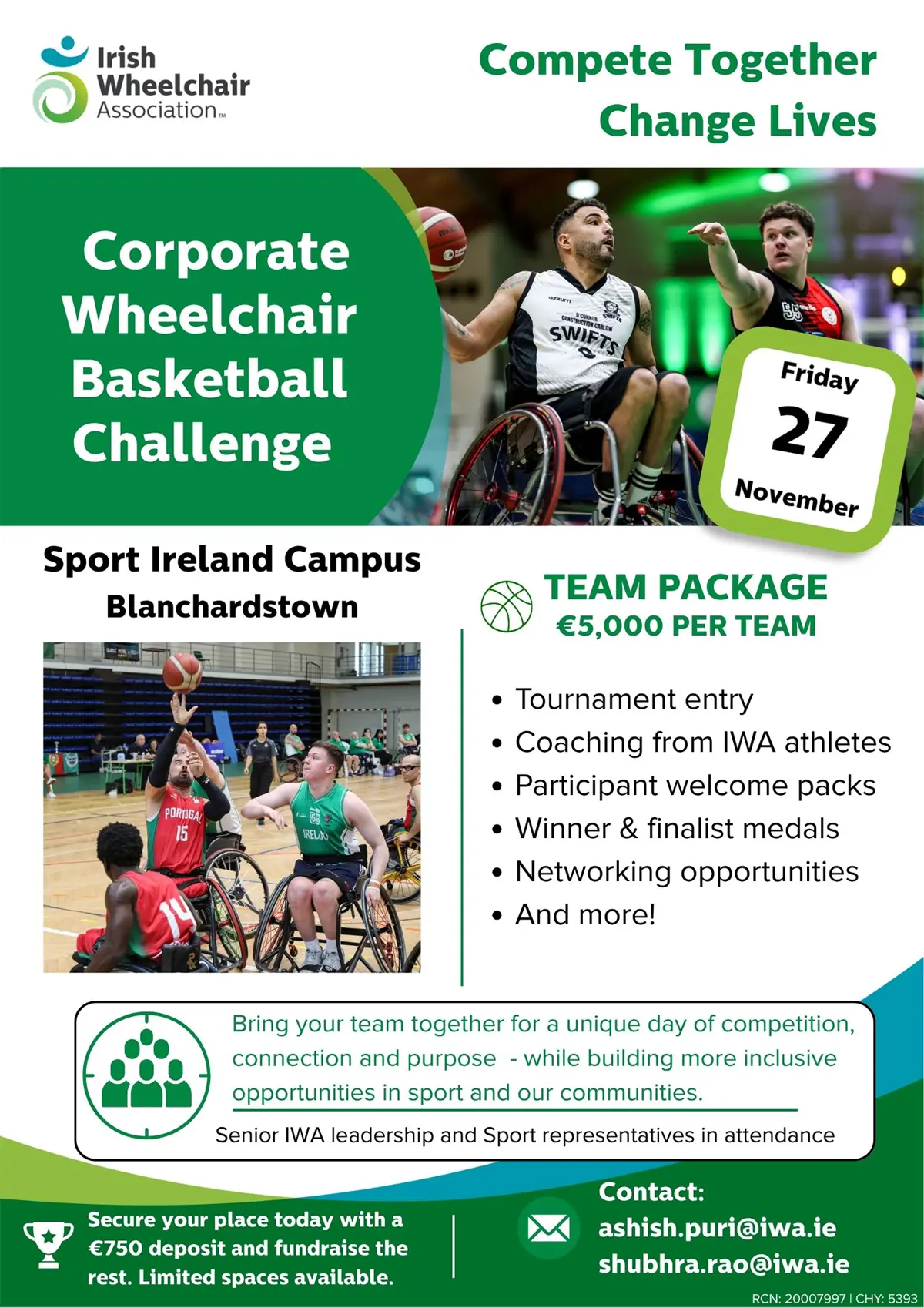
IWA is hosting our first ever Corporate Wheelchair Basketball Tournament and we are asking you to spread the word.

The high-energy team tournament will take place on Friday, November 27th 2026 at the Sport Ireland Campus in Blanchardstown, when teams will get first-hand experience of one of the most exciting and fast-paced Paralympic sports in the world.

This is no ordinary corporate day. This is a chance for participants and their colleagues to have fun and build trust, while also supporting the vital work of Irish Wheelchair Association in communities across the country.

Tournament & Registration Details

Team Package: €5,000 per team

  • Tournament entry
  • Coaching from IWA athletes
  • Welcome pack
  • Winner & finalist medals
  • Networking opportunities and more!

Deposit: Secure your place today with a €750 deposit and fundraise the rest. Limited spaces available.

For more information or to register, contact: ashish.puri@iwa.ie

Poster with information of an Irish Wheelchair Association Basketball challenge

Sophie

15-year-old, Sophie, became a junior member of IWA-Sport in 2023.

Sophie’s mum, Laura, said: “After losing all four limbs, we never imagined Sophie doing any kind of sports again until we met Mark, IWA’s Liaison Officer in the National Rehabilitation Hospital (NRH). He showed Sophie that there are so many different sports, no matter what your ability.

“Multi-sports played a massive part in Sophie’s recovery during her stay in the NRH. It was a session she always looked forward to after a day of rehab and a chance to get together with the other kids and staff for sports and fun. It was great to watch kids with all kinds of disabilities being included in all types of sports.”

Laura added, “We honestly don’t think Sophie would ever have attempted sports again, only for the encouragement and guidance from Mark. She now has the confidence to try anything.”

If you work in or know of a company that might be interested, please get in touch.

Find out more and register on our Corporate Wheelchair Basketball Tournament Eventmaster page.

Page 8

Sport

How a life-changing injury led to a lifetime of memories on the slopes
An accident 20 years ago changed Seamus Reilly’s life. Following a lot of rehabilitation at the National Rehabilitation Hospital (NRH) and wondering how he and his family could enjoy life in an adapted way, they discovered Adaptive Skiing. He shares his journey from the NRH to the slopes with Spoke Out.

Twenty years ago, I broke my back. The injury damaged my spinal cord and left me with a life-changing disability. Living with an incomplete spinal cord injury is challenging and while I’ve never shied away from talking about it one-to-one, I haven’t often spoken about it publicly. I’m doing so now because I have more time to help others and because I want more people to know about adaptive sports, particularly my own passion, adaptive skiing.

Since my accident, I can’t walk without assistance and I manage significant balance issues. I’m lucky: with a stick, I can cover a slow kilometre. After several months in the National Rehabilitation Hospital, I left on crutches and yoga has helped enormously since.

Accepting change is hard for most of us. It’s more manageable when there’s hope. In my case, I threw myself into work, we had our own business, so it gave me somewhere to put my energy. That’s a story for another day. Whilst work helped mask the daily difficulties, it left a real gap: what do you do for a family holiday when the things you used to do together no longer work?

Finding equal footing on the mountain

For me, skiing is magical. It’s one of the only times I get to be with my family on close to equal terms. We sit on the chairlift together, we go down the mountain together, we laugh and enjoy the day the way any family does.

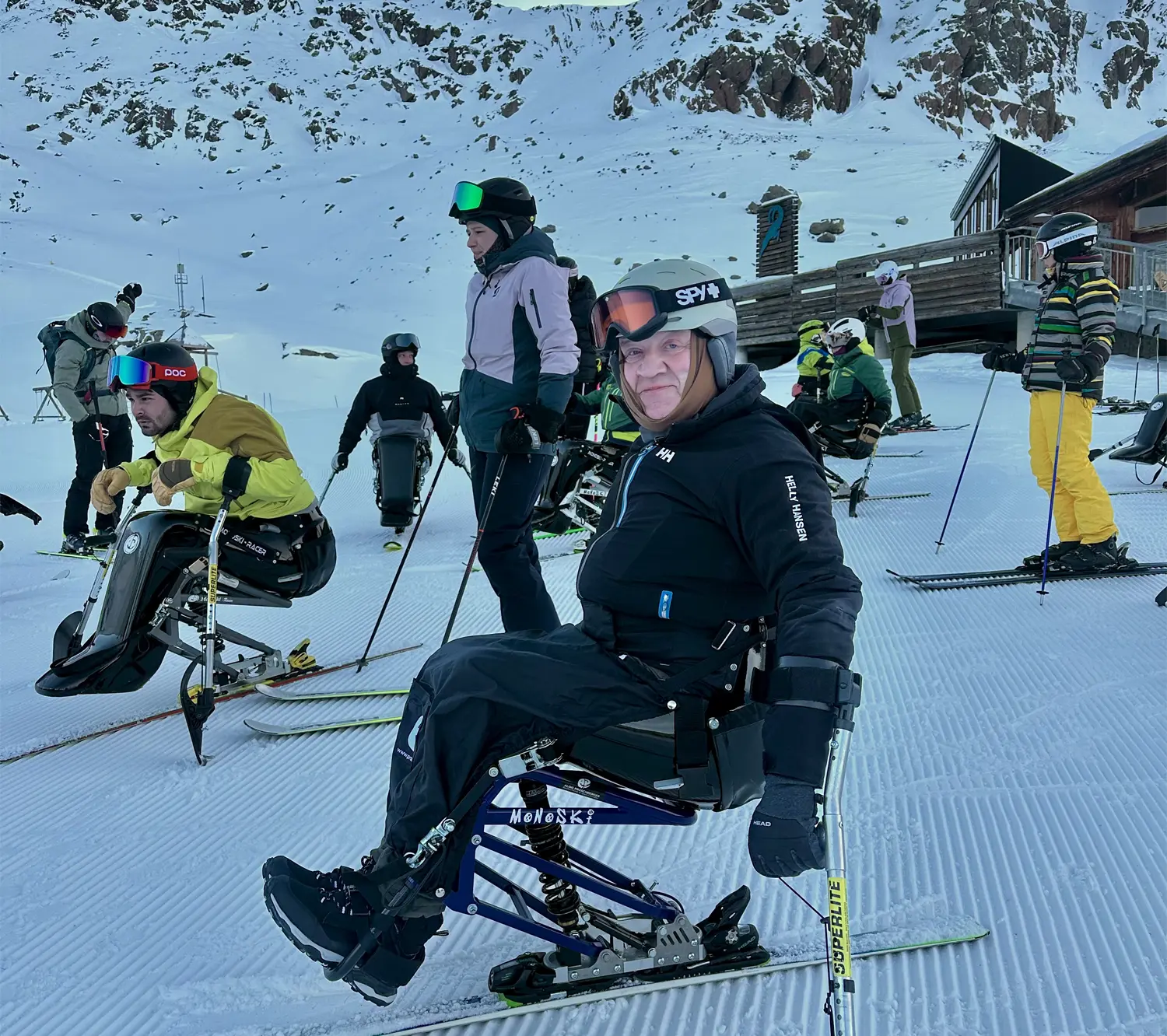
My first attempt, seventeen years ago, was a family disaster. Thankfully my wife had had enough and booked adaptive ski lessons in Leeds, UK. I can still picture arriving into a Leeds industrial estate in full ski gear for a weekend on an indoor slope, learning from scratch in a monoski — a single ski with a moulded seat and frame, steered with your body and a pair of outriggers. Everything you knew about skiing on two legs counts for nothing. The UK has excellent facilities for this and organisations like the Back Up Trust do great work getting people started.

In 2025, I got my first chance to ski outdoors in Austria with a community of adaptive skiers and that changed everything — it went from something I could do to something I do. I’m fortunate that I can walk with aids, but on a mountain that doesn’t get you very far. The monoski does.

Image shows skiers on a slope
Taking to the slopes has given Seamus and his family a new lease of life.

What we're trying to do next: Kaunertal, Austria, 2027

Building on that, there is an opportunity to bring four more people to Austria to learn to ski with the adaptive skiing community there. This isn’t about producing athletes, it’s about handing someone back a week of their life they thought was gone.

A few details on what that looks like in practice:

  • The group: part of a wider gathering of 28 adaptive skiers, split into four ability-based groups, with roughly a third skiing for the first time.
  • Equipment and manufacturer: Praschberger, the adaptive ski and bike manufacturer, has confirmed they can accommodate a small Irish cohort of 3–5 people for the 2027 trip.
  • Instruction: ability-based groups led by highly experienced instructors, several of them former Paralympians.
  • Accommodation: Hotel Weisseespitze, which sets a genuinely high benchmark for accessible accommodation — fully accessible rooms, pool hoist access, and saunas usable by everyone.
  • Cost: This experience will cost approximately €4,500 per skier, which also accounts for a partner or friend to accompany them. The fee will include a hotel package, renting of a monoski, flights, glacier transfers and cold-weather clothing

Why this matters beyond the mountain

An initiative like this fits squarely into that mission: it builds confidence, creates peer connection for first-time adaptive skiers within a supported, ability-based structure, and — if we tell the story well — raises awareness of what’s genuinely possible, helping to reduce stigma.

That’s really the heart of it. Adaptive sports offer hope, connection and no small amount of fun to people dealing with life-changing injury or disability, the same adrenaline and shared family experience that able-bodied people get to take for granted.

If you want to learn more about adaptive skiing or to learn more about the Kaunertal ski trip, contact Seamus on 086 8051142 or email seamus@seamusreilly.com.

Everything is possible.

Words: Seamus Reilly

Page 10

Volunteers

Ita's dedication to IWA
Ita Donohoe is embedded in Irish Wheelchair Association.

Not only does she attend the day service in Kenagh IWA with her husband Paul every Thursday, but she has been supporting the Longford Branch for over 20 years and is a dedicated committee member.

Ita admits that only for IWA, she would be lost. A member for over 25 years, attending the centre means a lot to her, she loves it and all the different activities.

She really enjoys playing boccia, curling, attending crochet or knitting classes, going on shopping trips to Golden Island, Athlone and looks forward to attending Knock Basilica every year with the members. An annual trip to the Shearwater Hotel in Ballinasloe is another wonderful highlight. It’s a great social outlet.

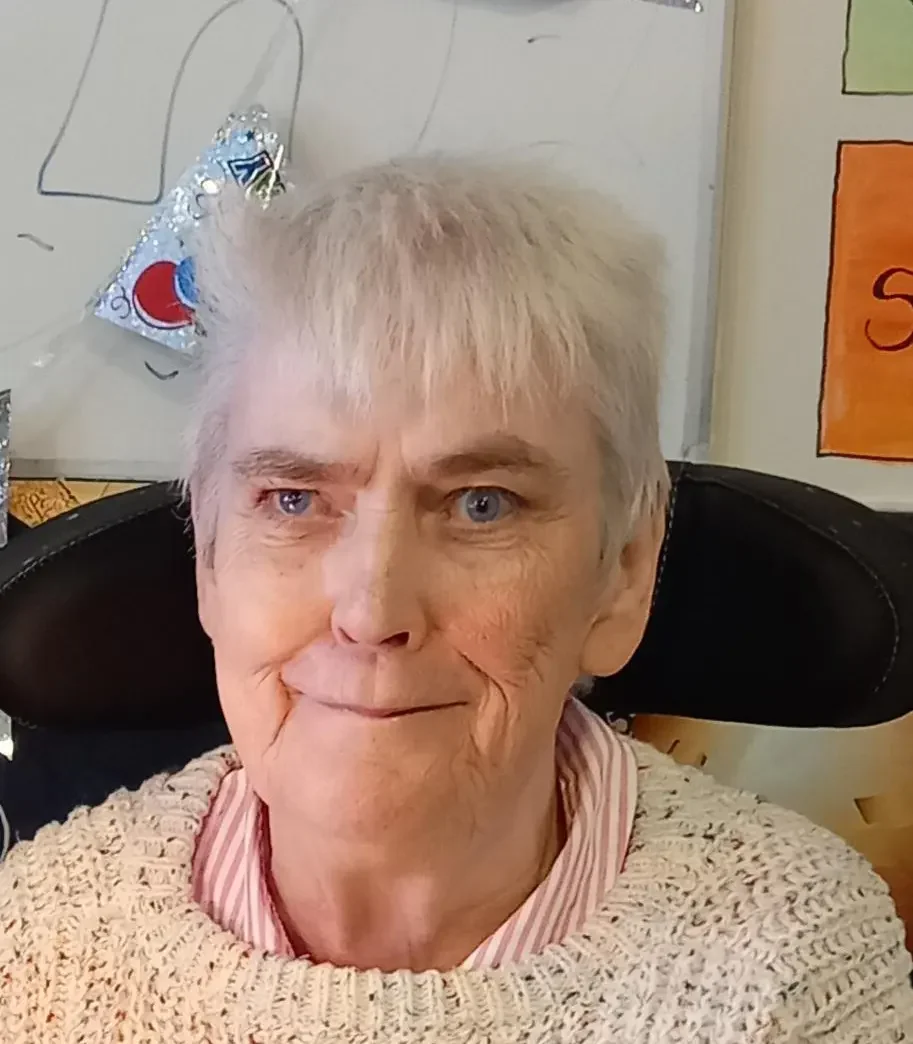
Head and shoulder picture of a female with short grey hair.
Ita Donhoe is a long time member of IWA and a dedicated committee member of our Longford Branch.

Ita is also involvement with the Longford Branch which means a great deal to her. She looks forward to their annual Corlea push/walk fundraiser in October.  All money raised helps support with outings such as rugby matches, Butlers Chocolate Factory visit, Dáil visit, and members programmes.

She also enjoys attending the annual Christmas dinner in the Rustic Inn which is planned by the Longford branch committee. The Longford volunteer branch and IWA does so much for all the members.

Ita wants to say thanks to all the staff in Kenagh who make everything so enjoyable.

Page 7

Members thrilled with their New Centre in Arklow

Wednesday, September 9th, marked a milestone day for IWA Arklow, with the official opening of its new centre at Castlepark, right in the heart of the town.

There were smiles all around as Ann Marie O’Grady, IWA’s CEO, cut the ribbon, surrounded by members and their families, staff as well as local political and community representatives including the Cathaoirleach of Arklow Municipal Council, Cllr Peir Leonard.

Located in a former Health Centre, which has been given a complete overhaul, the bright modern spacious premises gives IWA in Arklow the opportunity now to expand its services locally and for the members to enjoy accessing their local community.
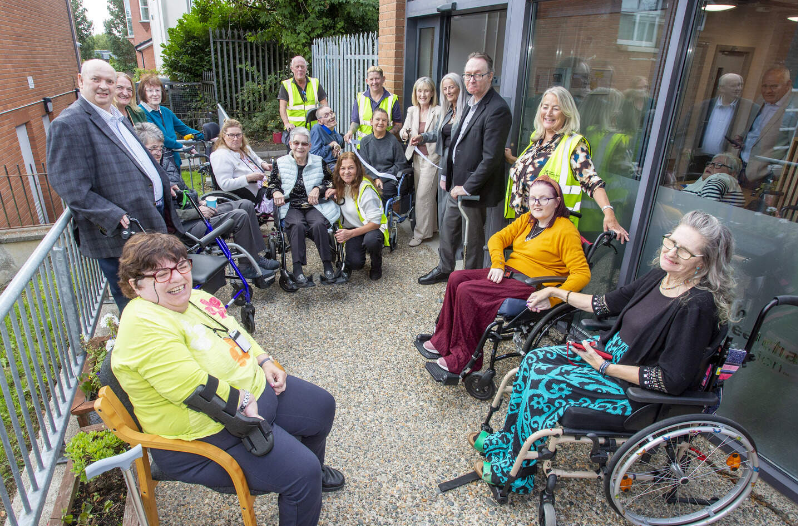
Smiles all around as Ann Marie O'Grady, IWA's CEO, officially opens IWA's new centre in Arklow supported by members, staff and community representatives.

Members at the official opening could not have been happier. In addition to the improved facilities they are just thrilled with the central location with all local amenities within easy reach, just a roll or stroll away!

Leanne Doyle said that she would ‘be lost’ without IWA and is thrilled with the new improved centre and where it is situated.

“I am delighted with it; it is just brilliant and so handy for everyone being right in the centre of Arklow.”

Over 12 years ago Leanne suffered a brain injury after giving birth and has needed to use a wheelchair since.

She said: “My whole life changed but I am happy.  With IWA I feel a part of things, I have become very close to other members and staff. The staff provide lots of support. We go out when the weather is good on nice trips. I have met so many wonderful people.”
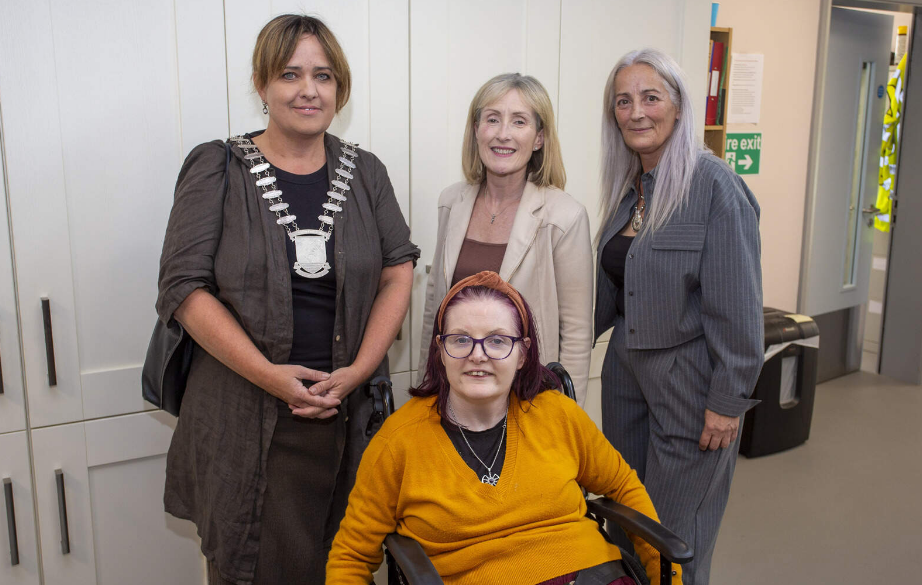
Member Leanne Doyle, (front) is delighted with the new centre. She is pictured at the official opening with the Cathaoirleach of Arklow Municipal Council, Cllr Peir Leonard, IWA's CEO Ann Marie O'Grady and Michelle Kent Byrne, Arklow IWA Service Coordinator.

Member Elizabeth Parle from Aughrim said: “It’s just brilliant here in the new centre.  There is much more space. We are in the town now which is great, we can get out and about with staff without needing transport.”

Michelle Kent Byrne, Arklow IWA Service Coordinator, said the location has made a huge difference especially to the members.
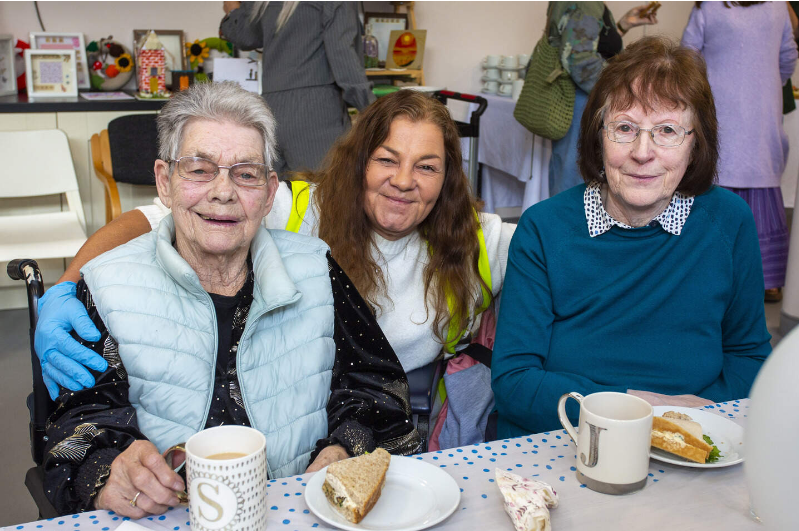
 

Enjoying refreshments at the official opening.

“We have waited 20 years to have a centre like this. The benefits are we can increase capacity for all services; we are back in the town so we are far more visible and we can take members out and about the town without having to rely on transport.”

She added: “We can support people to make choices about how they wish to engage in everyday activities in their community in line with HSE new directions interim standards which promotes choice, independence with a real focus on community engagement.”

A nice touch on the day was that everyone in attendance was asked to put their fingerprint on a tree painted on a wall in the centre and had much fun doing it.

The centre was buzzing as everyone took in the bright modern facilities which includes a large space for group events.
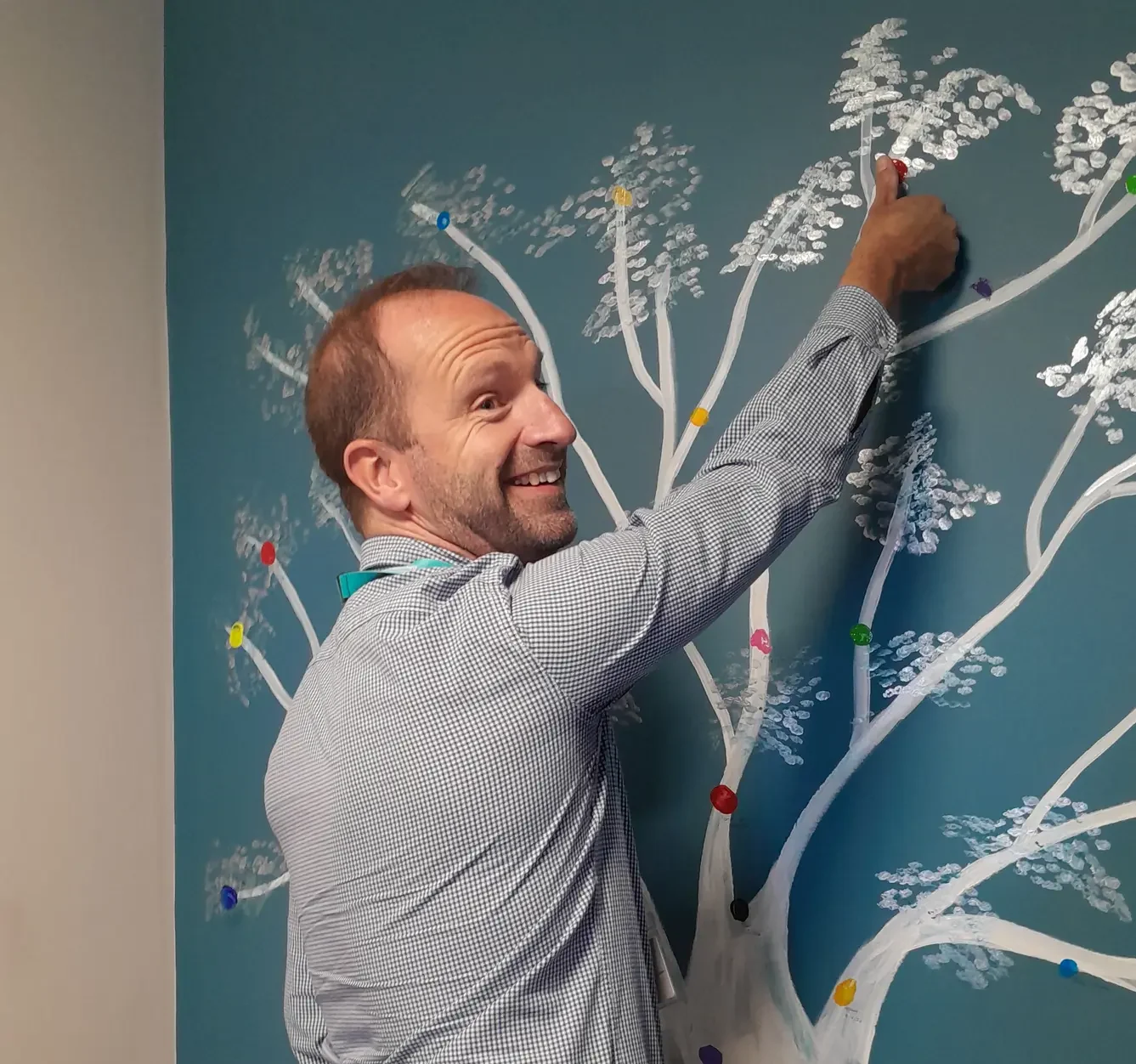
A man putting his finger print on a painting of a tree on a wall in a indoor setting
Brian Condon, National Property Manager with IWA, placing his fingerprint on the wall at the official opening of the Arklow Centre.

Michelle thanked all those who made the new centre a reality including the HSE, especially Samantha Seabrooke, HSE Older Persons Service, who helped secure the premises, IWA’s Area Managers, Liam Saunders and Linda Tierney as well as its property team of Brian Condon and Paul Conway, and Simon, the foreman, who was such a great help over the last nine months

She also expressed her gratitude to the Arklow IWA staff of Paul, Anne, Siobhan and Fiona, and Pearl and Lorna from Ballycanew service who also gave support on the day.

Words: Marie Kierans

Photo credit : Michael Kelly – Wicklow People / Irish Independent


Page 9

Ballinagar member launches first book

Alison says her local centre helped her to re-discover her passion for writing.
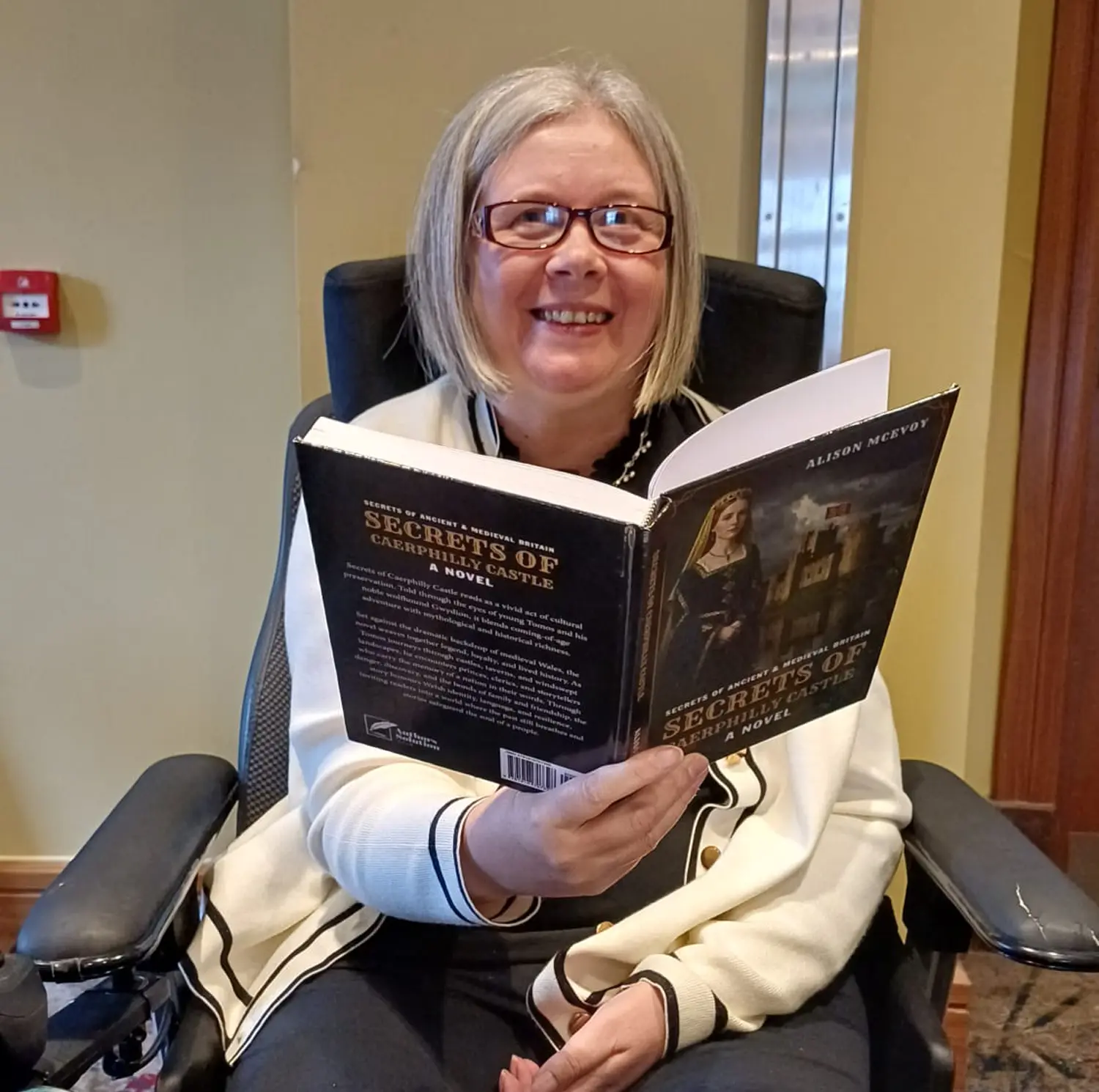
IWA member Alison McEvoy from Offaly recently celebrated the launch of her first book, an historical fiction novel set in her childhood village in Wales.

“I always dabbled a bit in writing. I wrote silly little poems when I was young,” explained Alison.

After her accident seven years ago, Alison joined IWA to help her adjust to life as a wheelchair user.

She said: “When I joined IWA in Ballinagar, we were offered different classes and one class that was put on was creative writing, run through the ETB and with our tutor Ryan Dunne. Everybody had something completely unique and different to write. Everybody listened to each other’s stories and were so encouraging. And there was an awful lot of fun in the classes as well. They were brilliant.”


When Alison’s tutor got a little anthology book of the group’s stories published, it inspired her to think about what else she could write.

Alison’s brain injury meant she had difficulty with her concentration but she was determined. “I was at home one day and I was thinking, what book would I read if I could read any book in the world? And I thought, I’d love to read a book about Caerphilly Castle, which is a castle in the town where I grew up (in Wales). I didn’t know of any book and I thought, well, why don’t I write one?”

Female holding a book she published. She is wearing glasses and is smiling
Alison McEvoy, member of IWA Ballinagar celebrates the launch of her first book.

“I don’t think I would have done it if not for the experience of the writing class in IWA,” says Alison.

Getting used to life again was a challenge when she first came home from hospital, after her accident, but IWA has been a huge support to her, said Alison.

She said: “The IWA, I think, for everybody who goes through it, you know, it’s a kind of a lifeline for people. I know an awful lot more people now and I’m more confident now. I’ve been to more events and more places in the community than I would have been without IWA.”

She said IWA has helped her family to adapt to everything,  “When you’re with IWA, they take you to places on trips and you find things out, like where has the best toilets! And then, when you go out with your family, you can say, look, it’s okay, I went here with the IWA. Because it’s a big thing for a family, after a brain injury and being in a wheelchair, you have to really plan ahead. And it’s a bit scary for families,” she says.

While she enjoys being out and about, Alison has started on her next book,  “I do have another book in the works because I missed writing so much when I finished this book, I couldn’t just come back to [writing] between 11 and 1 anymore. So very quickly I went on to my second book. I’m writing a series now because why not?”

 ‘Secrets of Caerphilly Castle’ is available to buy on Amazon.

Words: Catherine Ginty


Page 4

How IWA members put together their own famine themed art exhibition

It’s been almost 200 years since the Great Famine decimated Ireland, leading to mass emigration and death.

The Great Famine left a huge imprint on the cultural imagination, and it’s been the inspiration for powerful pieces of art, theatre, and writing over the years. Now, IWA members in Mallow have decided to explore this seismic moment in history with their own art exhibition, which ran in August for a limited time.

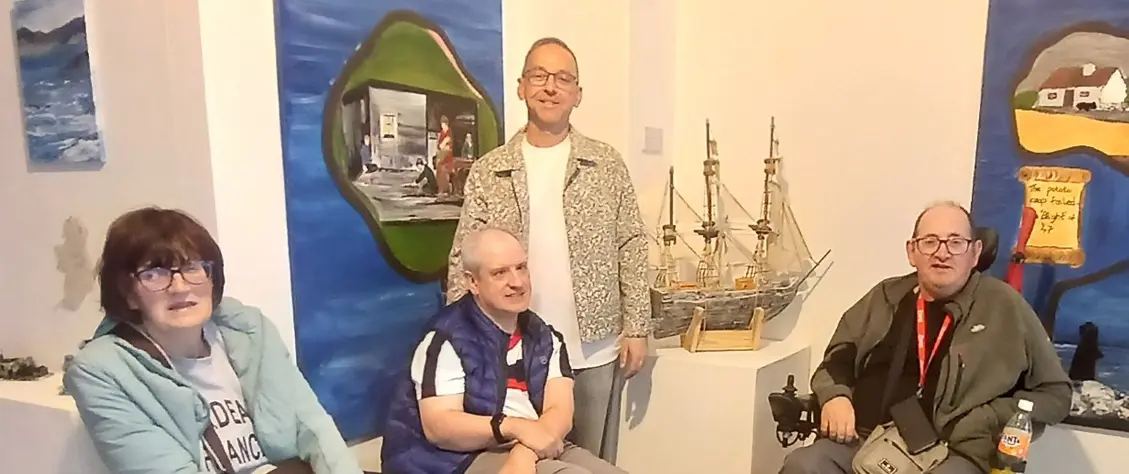
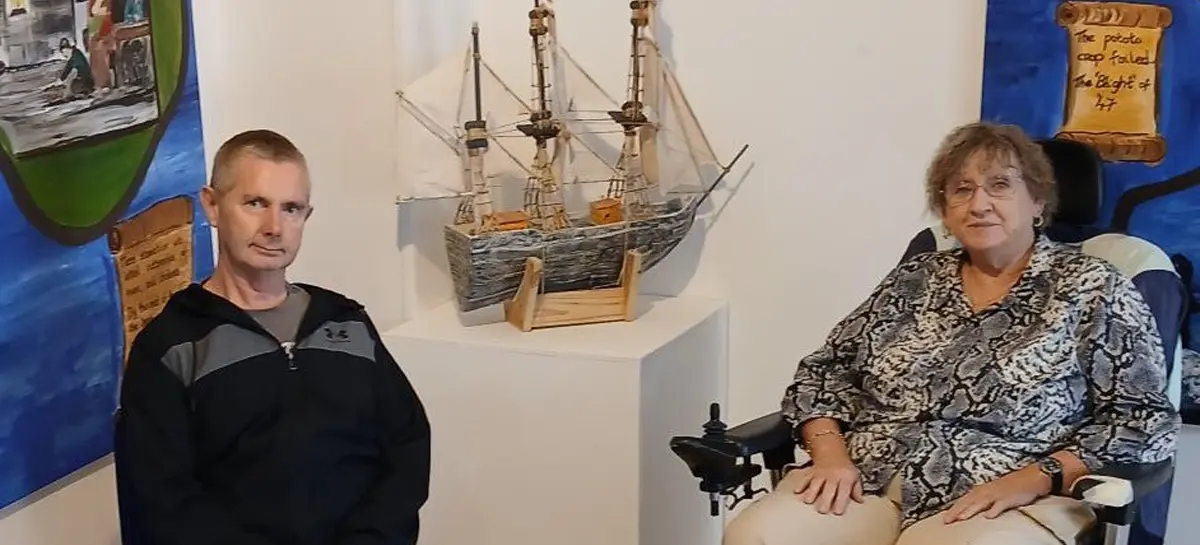
The exhibition featured handmade items of clothing inspired by this horrific chapter in Irish history, a ‘famine village’ made from ceramics that showed the devastation the destructive blight left in its wake, and a ship representing the swathes of people who emigrated on disease-ridden ships.

IWA members pictured at their art exhibition.
IWA members in Mallow pictured at their art exhibition

Aaron Cowming, Service Support Officer at IWA Mallow, sat down with Spoke Out alongside members Teresa Curtin and Ann Griffin to share how the exhibition came to be, and what impact creating it has had on them all.

“We have a member from Nigeria and that’s how it kicked off,” Aaron explains. “He didn’t know anything about the famine, so the lads here were explaining it to him. We were thinking up an idea for a project, and it was IWA member Martin Stelcik who said, let’s do it on the famine.”

Four groups in Mallow have spent the past six months working on the pieces for the exhibition. Teresa learned to sew using a sewing machine specifically for the project, and she designed and pieced together the clothes inspired by the famine for their mannequins. Ann worked on the ceramic village, which shows dilapidated and abandoned houses, reflecting the turmoil the famine caused.

IWA members in Mallow at their art exhibition on the Great Famine
Mallow IWA members at their exhibition on the Great Famine

After months of work, the group started piecing together the exhibition – and as soon as they got into the space, they started getting knocks at the door from people who were passing and wanted to see what all the fuss was about.

“People were excited about coming in to see it, and there were a lot of young people,” says Teresa.

Over the few days that the exhibition ran, they had over 100 people come in to see it.

“I went down to see it all put together and it was fabulous,” says Ann. “There were things I had forgotten about the famine and seeing what we put together, it reminds you that this did actually happen. And then seeing all the people who came in, that brought it home to us all that what we had done was really worthwhile.”

Two members of of Mallow IWA pictured at their Art Exhibition on the Great Famine. There is artwork on the wall in the background.
Two members of Mallow IWA at their hugely successful Art Exhibition on the Great Famine.

"What we lack in our legs we make up in our hands.”

Working on the exhibition also showed members that they have more skills and talents than they might previously have realised.

“We have a member here who had a stroke and who never did art before, and what came from that stroke is that now he’s a phenomenal artist and people actually purchase his work,” Aaron says. “Disability isn’t always the end, there are these beautiful things that grow from a sad time into a really exciting time. For him just to see his things hanging on the wall, that was just major for him.”

Teresa adds: “It makes you forget that you have disabilities because you’re able to do so much. What we lack in our legs we make up in our hands.”

Ann says: “I didn’t realise I could do something with my hands. I was amazed, I was delighted with it.”

IWA members in Mallow would like to thank the staff in their centre for supporting them over the past few months as they pieced together their stellar exhibition.

“They go above and beyond,” says Aaron. “We couldn’t have done this without our amazing floor staff.”

IWA Mallow’s exhibition was made possible thanks to REACH funding received from Cork ETB.

Words: Patrick Kelleher


Page 6

Mobility Life

Who owns our footpaths?
Following a recent stay in Dublin, I found myself asking a simple question: who actually owns our footpaths, writes Edel Carey.

Like many wheelchair users, I rely on footpaths to get safely from A to B. But I often felt that the space intended for pedestrians and wheelchair users was being increasingly shared and sometimes taken over, by other forms of transport.

Over the course of just two days, I experienced five near misses where I encountered people on bikes and scooters travelling through pedestrian crossings while the red light was clearly against them.

It left me wondering whether the expansion of cycle infrastructure has, in some cases, created a belief among some users that the normal rules of the road no longer apply.

I returned home feeling shocked, frustrated and concerned, not only for myself but for other pedestrians, wheelchair users, older people and families trying to navigate busy urban areas safely.

As a result, I decided to look more closely at the laws governing the various forms of transport now sharing our streets. For this month’s Mobility Life, I wanted to understand exactly where e-scooters, e-bikes, bicycles, wheelchairs and mobility scooters fit within Irish road safety legislation.

E-Scooters

In Ireland, e-scooters are classified as Powered Personal Transporters. They do not require tax, registration or insurance and users must be at least 16 years of age.  They are permitted to travel on local, regional and national roads, as well as in cycle lanes and bus lanes.

However, they are not allowed on footpaths or in pedestrianised areas. E-scooters are subject to a maximum speed limit of 20 km/h and users are prohibited from carrying passengers, transporting goods or using a mobile phone while operating the vehicle.

Cyclists and E-Bikes

Cyclists and e-bikes, also do not require a licence, tax or insurance. E-bikes can travel up to speeds of 25 km/h. Cyclists are permitted to use cycle lanes and public roadways but are not permitted to cycle on footpaths.

Where do Wheelchairs and Mobility Scooters Fit?

The legal status of power wheelchairs and mobility scooters is very different from that of bicycles and e-scooters.

In law, users are generally regarded as an extension of the pedestrian rather than as drivers of a vehicle. We have the same legal rights as pedestrians. That means we are entitled to use footpaths and pedestrianised areas, places where e-scooters and bicycles are generally not permitted.

Where a footpath or hard shoulder is available, we should use it. Where neither exists, wheelchair and mobility scooter users should travel facing oncoming traffic where possible, allowing us to see approaching vehicles and react accordingly.

Sharing Space Responsibly

As a power wheelchair user, I am not opposed to alternative forms of transport. In fact, many of them offer important environmental and mobility benefits. What concerns me is the growing disregard for the rules that are designed to keep everyone safe.

Footpaths should remain safe spaces for pedestrians and wheelchair users. Red lights should mean stop, regardless of whether you are in a car, on a bike or using an e-scooter.

After my recent experience in Dublin, I am left with the same question I started with: if wheelchairs and pedestrians are legally entitled to use footpaths, why do so many of us feel as though we are constantly having to fight for space on them?

Do access issues, like this, get you angry? Have you an idea you would like seen covered in the Spoke Out?  If you have similar experiences you would like to share with others, please contact us at news@iwa.ie

“Perhaps the real question is not who owns our footpaths, but who feels entitled to use them without considering others.”

Page 5

Thanks for your company

If you like what you're reading, please spread the word!

Share Spokeout October 2026


Share this article on Facebook Share this article on Instagram Share this article on LinkedIn Share this article on X

Remember:
Your voice, your choice! We're all ears for your feedback, thoughts, and suggestions.
Share what topics intrigue you the most and what you'd love to see in future magazine features.

Share your feedback here

Spokeout Cover Image Logo
SpokeOut is Irish Wheelchair Association's lifestyle magazine published every month for our members.
© Irish Wheelchair Association 2025.