


Share this Article


In this month’s Spoke Out, Leesa Flynn and Conor Lynott, two university graduates, share their experiences and advice with you on starting university.
The author of this article, Juliette Pochat, also shares her experience of coming to study in Ireland from France.
Conor Lynott (31) graduated from UCD in 2019 with a Bachelor’s degree in history and politics and a Masters in librarianship. He describes UCD campus as accessible and seems satisfied by the help provided by the disability office.
He said: “In many ways it’s better than what you get in the workforce”. He was able to get two personal assistants, one for classes and the other for personal care. However, during his time at university, he struggled socially due to many activities being inaccessible.”
Thankfully, he was later able to join the Newman Society, a catholic group where he met friends. His appreciation for religion later led him to write a book, he has also written articles for The Irish Catholic. Despite these challenges, Conor graduated with flying colours.
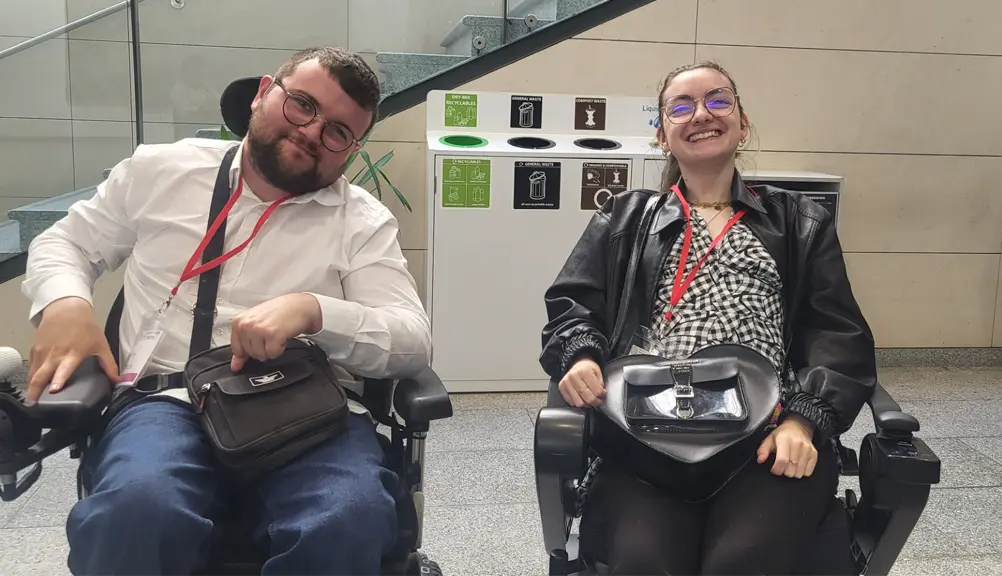
Reflecting on his time at uni, Conor wishes he had found more balance between studying and socialising: “Work hard between 9 to 5 and then go out and take full advantage of these societies and the clubs… because when you finish college there isn’t as many options for socialising,” he said.
Leesa Flynn (29) graduated from Maynooth University in 2023 with a Bachelor’s in English and History and a Professional Masters of Education (PME) and is now focusing on disability advocacy while she waits for a permanent placement.
She was very involved in societies and was even vice-president of the mental health society for a time. “It didn’t matter if I walked or rolled into the meeting, everyone was included,” she said, adding that both the campus and the village were accessible and Maynooth really put an emphasis on inclusion and diversity.
It was during her PME that Leesa faced the most accessibility issues. For example, she was unable to attend her Irish speaking program in the Gaeltacht in person due to the lack of accessibility but thanks to the experience from covid, she was able to attend online.
However, she regrets that she was deprived of the social aspect of the program. Similarly, she struggled to find work placement because the staff facilities were often inaccessible.
A challenge both students faced was with the HSE PA hours. The hours granted are kept to a minimum while the schedule also lacks flexibility which can make it difficult to work around a university timetable
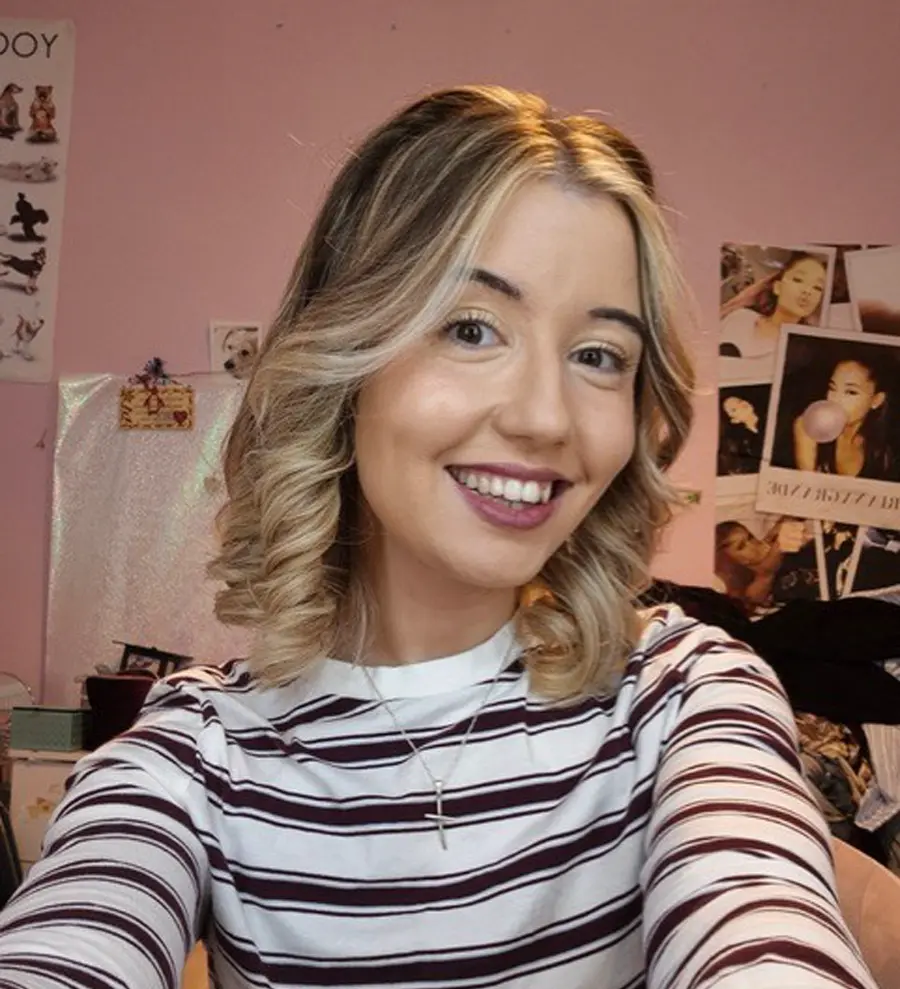
“You would get out of class at 6 in the evening and rushing to let your PA in. You feel like you’re not living for yourself, you’re living on the clock”. Leesa said. “If I got held up, that would be eating into my time with my PA”.
This greatly describes the reality of being a student with disabilities, aside from having to worry about classes and socialising, one also has to work around a completely different schedule which can be draining at times.
From the interviewees’ perspectives, both Maynooth and UCD provide satisfactory disability services. Leesa’s main advice is to get in contact with the relevant services as soon as possible, to make sure that the transition from secondary school to university is smooth. “Know your needs and communicate them,” she advised.
Indeed, that’s the biggest difference between secondary school and university. The student becomes responsible for themselves, and for a person with disabilities this also means advocacy and accommodation.
Studying abroad as a person with disabilities -Juliette's experience in Ireland
To add some of my personal experience, I am Juliette Pochat (22), a French International student at UCD since September 2025. I am completing a Master in International Relations and I was doing a summer internship in communications at IWA.
Studying abroad as a person with disabilities has had its challenges, for example, figuring out healthcare and accommodation. Despite that, it helped me grow into a more independent and outgoing person. Being away from your country and your loved ones can seem quite terrifying, especially when so many practical details come into play, but it is also an opportunity to get out of your comfort zone and realise that you are way more capable than what you imagine.
My advice for any student commencing university would be to not let your disability stop you from achieving what you envision. Other people’s fears and thoughts don’t have to be your own and the worst thing that can happened is to fail, which is a part of anyone’s lives, disabled or not.
“Other people’s fears and thoughts don’t have to be your own and the worst thing that can happened is to fail, which is a part of anyone’s lives, disabled or not.”
How to choose the right university?
Besides choosing the academic program, it is important to pay attention to the city the university is in. Are the shops and social spaces accessible? Is there public transport? Will you be able to move around independently?
A big part of university is about socialising and networking, in that sense, being able to join on activities and events is crucial. Visiting the city and the campus before applying might be a great way to find out if the institution suits your needs.
What if the support system fails?
Even with all the help offered both by the university and the HSE, it is important to be as independent as possible according to your abilities. Whether it is physical independence or simply having the courage to ask people for help, being prepared to get out of your comfort zone will make it easier in the long run. It is crucial to be able to adapt when your support system doesn’t run as smoothly as it should.
The same goes for socialising, people aren’t always comfortable with disability at first, therefore you might have to put yourself out there a bit more than other people would. It is hard, but definitely worth it.
Many institutions in Ireland provide clear instructions and information on their websites about how to access the disability office. You can review the following resources for detailed guidance:
Words: Juliette Pochat